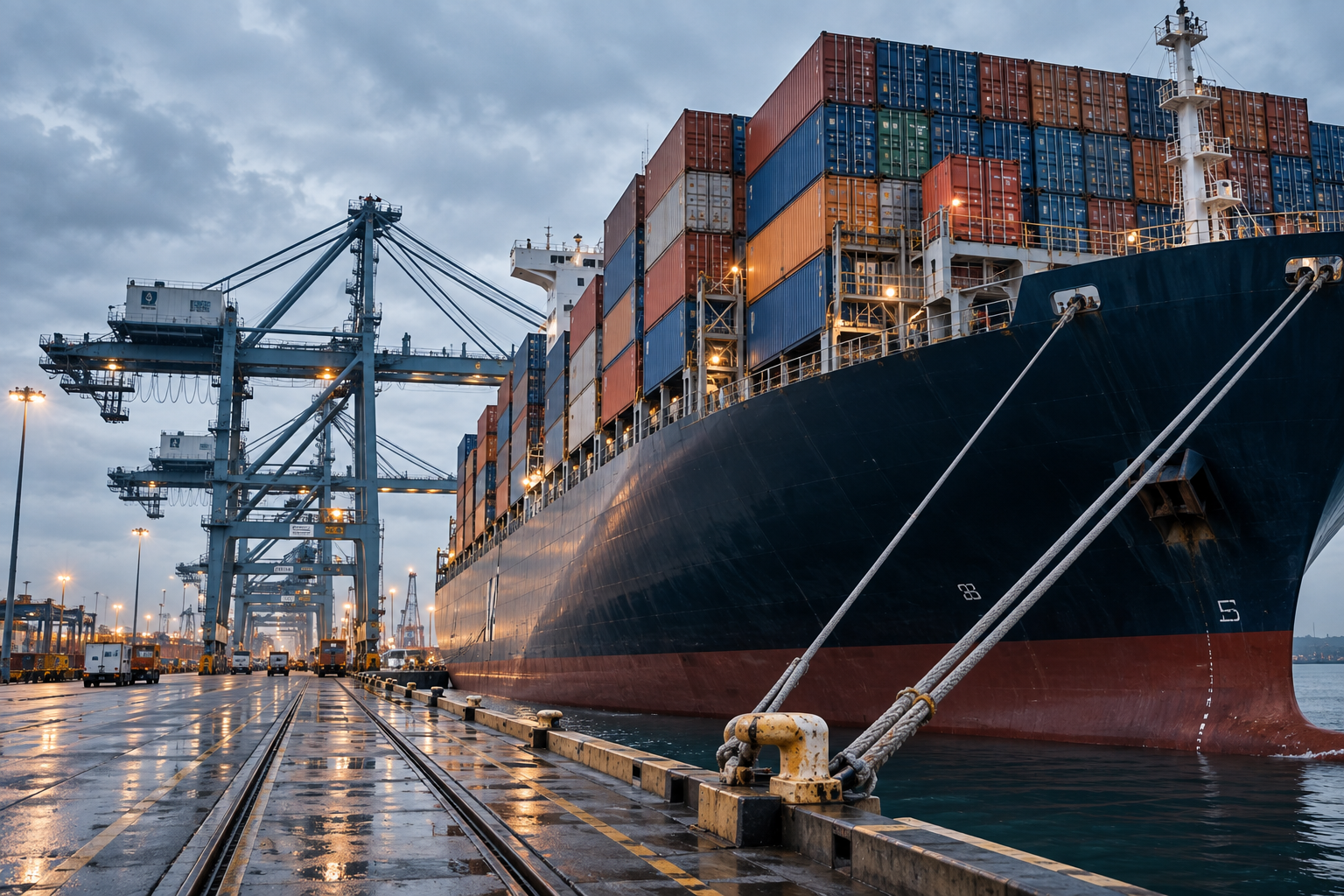
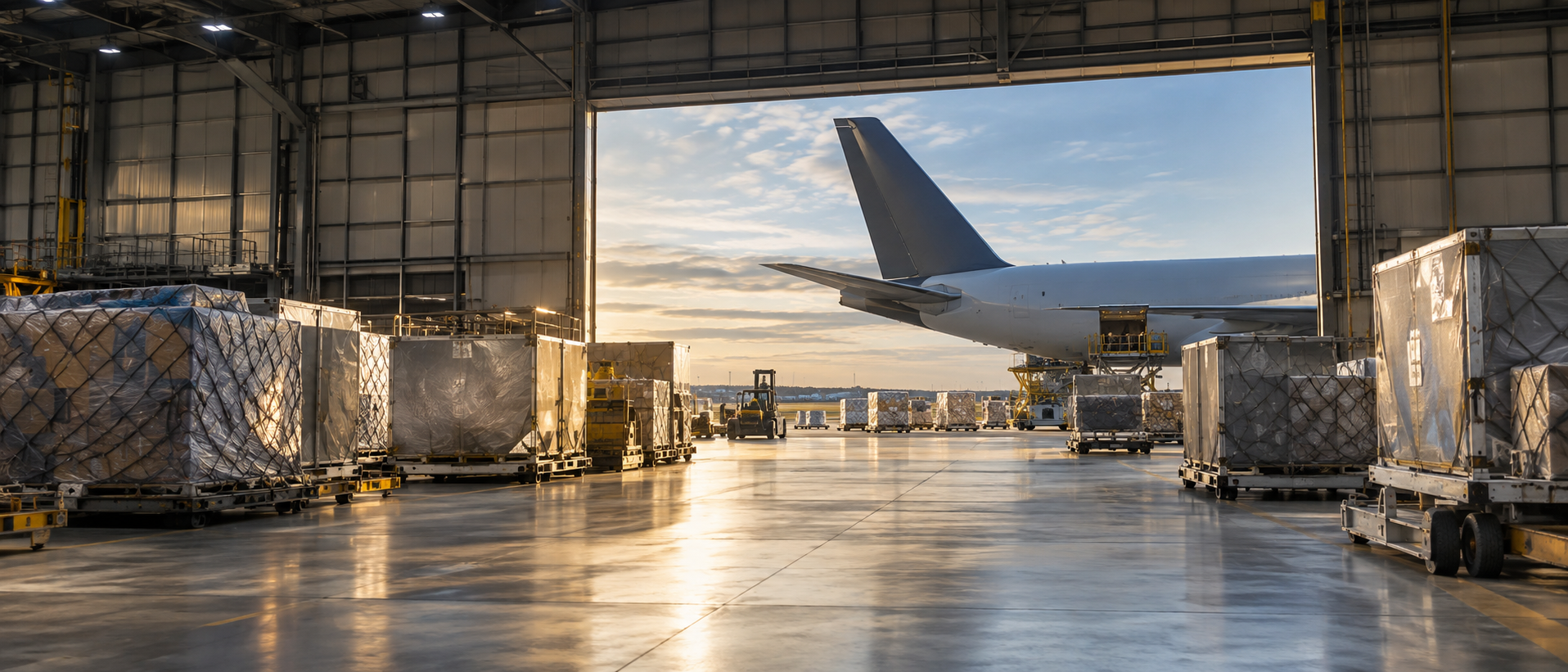
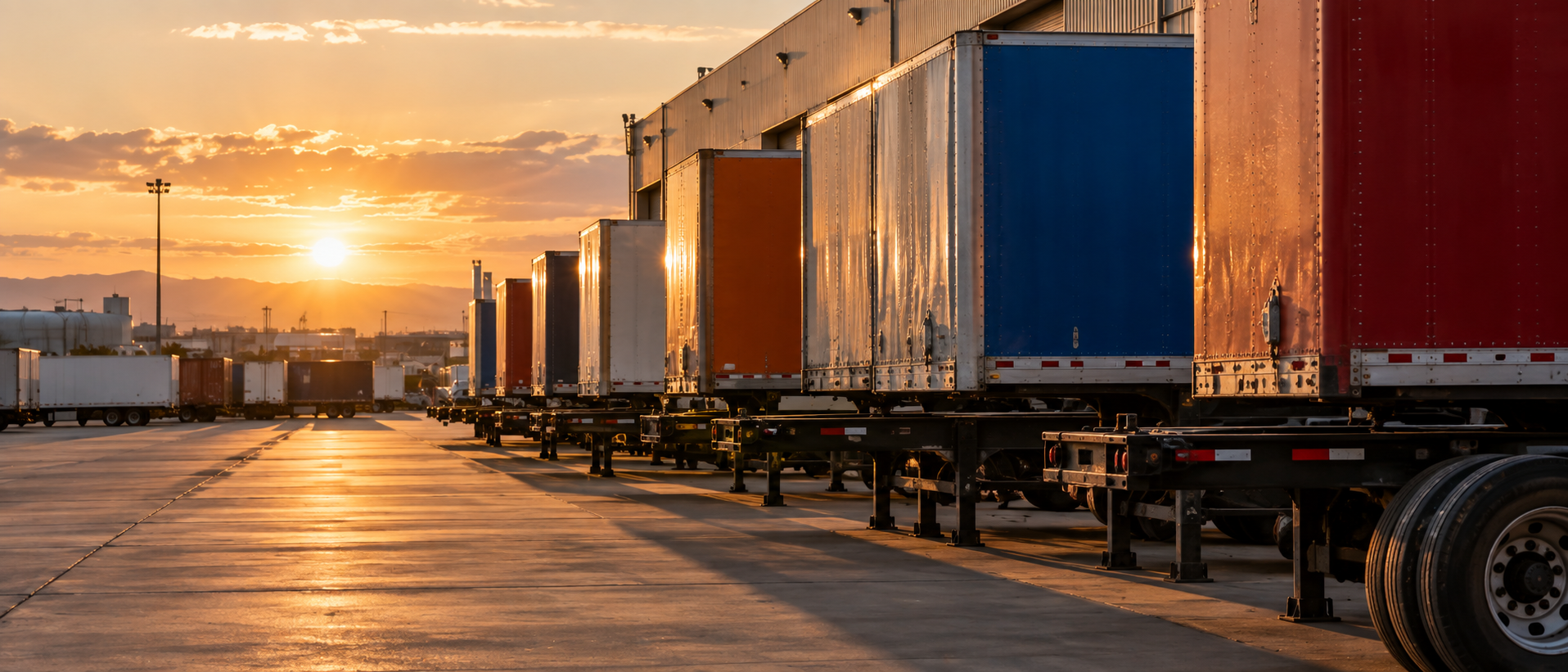
Logistics and transportation M&A advisory is sector-specific M&A representation for businesses that move, store, and manage the flow of goods: trucking fleets, third-party logistics providers, freight brokerages, warehousing and fulfillment operators, and specialized carriers. An advisor working in this sector represents either the owner selling the business or the acquirer pursuing it. The core M&A process stays familiar: valuation, preparation, buyer identification, negotiation, due diligence, and closing. What changes is that the analysis within that process has to reflect the economics of the specific logistics business model being evaluated.
This sector spans a wide range of business models, from asset-heavy trucking fleets and warehouse operators who own the physical infrastructure they use, to asset-light freight brokerages and 3PL providers who coordinate capacity without owning it. These models are valued differently, financed differently, and appeal to different categories of buyer. VistaNova M&A Partners advises owners, acquirers, and investors across this range, on sell-side transactions, acquisitions, and strategic advisory including debt and capital structure guidance, across Canada and North America.
Sector Distinctions
Why M&A in Logistics and Transportation Is Different
A generalist M&A process applied to a logistics or transportation business misses the factors that actually determine value and buyer interest. A few distinctions matter more here than in most other sectors.
01
Asset-Heavy vs. Asset-Light Models.A trucking company that owns its fleet, terminals, and equipment carries a fundamentally different capital structure, depreciation profile, and risk exposure than a freight brokerage or 3PL that coordinates capacity through carrier and warehouse relationships without owning the underlying assets. Buyers value each differently, and the diligence process for each looks materially different.
02
Contracted vs. Spot Revenue.Revenue backed by long-term customer contracts is treated very differently from revenue earned through spot-market freight or transactional relationships. Predictability of revenue is one of the first things a serious buyer examines.
03
Customer Concentration.A logistics business where a small number of shippers represent a large share of revenue carries real concentration risk, regardless of how strong that relationship currently is.
04
Fleet Age and Maintenance Capex.For asset-heavy carriers, the age and condition of the fleet, ongoing maintenance costs, and near-term capital expenditure requirements directly affect both operating margin and the buyer's view of forward risk.
05
Driver and Operator Retention.Continuity of drivers and key operational staff matters to buyers evaluating whether a business can maintain service levels through and after a transaction.
06
Working Capital Dynamics.Cash conversion cycles vary significantly across logistics business models, and working capital requirements can materially affect deal structure and financing.
07
Safety, Claims, and Insurance History.Particularly relevant for trucking and specialized transport, where safety record and insurability directly affect both operating cost and buyer risk assessment.
08
Network Density and Facility Utilization.For delivery, warehousing, and distribution businesses, geographic density, warehouse utilization, and facility lease economics shape both current profitability and scalability.
09
Technology Infrastructure.Transportation management systems, warehouse management systems, visibility tools, and telematics increasingly differentiate logistics businesses and are a growing factor in buyer diligence.
10
Cross-Border Complexity.For businesses operating across the Canada-US border or internationally, customs processes, cross-border compliance, and jurisdictional complexity add a layer buyers evaluate carefully.
Coverage
Sub-Industries We Advise
VistaNova advises across a range of logistics and transportation business models, including:
Trucking & Specialized Transportation
Truckload and less-than-truckload carriers, regional and long-haul trucking, dedicated contract carriage, flatbed and heavy haul, refrigerated and dry bulk transport, hazmat carriers, and owner-operator fleet platforms.
Third-Party Logistics (3PL) & 4PL
Asset-light logistics providers coordinating transportation, warehousing, and distribution on behalf of shippers, including fourth-party logistics and lead logistics providers managing broader supply chain relationships.
Freight Brokerage & Managed Transportation
Businesses that arrange freight movement and manage transportation on behalf of shippers without owning the underlying transportation assets.
Warehousing, Distribution & Fulfillment
Public and contract warehousing, distribution centres, e-commerce and omnichannel fulfillment, cross-docking, transloading, and reverse logistics and returns management.
Cold Chain & Temperature-Controlled Logistics
Refrigerated transportation and warehousing, frozen and chilled storage, and temperature-controlled logistics serving food, pharmaceutical, and life sciences supply chains, a specialized segment attracting strategic and financial buyer interest due to its infrastructure, compliance requirements, and mission-critical role in these supply chains.
Freight Forwarding & Customs Brokerage
Air and ocean freight forwarding, international freight coordination, customs brokerage, non-vessel-operating common carrier (NVOCC) services, and cross-border trade facilitation services.
Courier, Parcel & Last-Mile Delivery
Courier networks, parcel delivery, same-day and final-mile delivery services, and dedicated delivery fleets serving e-commerce and B2B distribution.
Truck and trailer leasing, fleet leasing and maintenance, and specialized transportation equipment services supporting carriers and logistics operators.
Services
M&A Services for Logistics & Transportation Companies
What Drives Value in a Logistics or Transportation Business?
Valuation in this sector depends heavily on business model, scale, asset intensity, revenue quality, and normalized profitability, and it varies substantially between an asset-heavy carrier, an asset-light broker, a specialized 3PL, and a warehousing operator. Rather than quoting a single multiple range that would not apply meaningfully across such different business models, the factors that most consistently affect value include:
Revenue quality and contract duration versus spot or transactional revenue
Customer concentration and diversification across shippers, industries, and geographies
Normalized EBITDA and the sustainability of historical earnings
Fleet age, condition, and near-term capital expenditure requirements, for asset-heavy operators
Warehouse and facility utilization, lease terms, and geographic footprint
Management depth and the degree of owner dependence
Driver, operator, and key employee retention
Safety record and insurability
Technology infrastructure and the degree of operational visibility it provides
Growth trajectory and the scalability of the operating model
Specialization and barriers to entry within a given niche
Carrier and supplier network depth for asset-light logistics businesses, including concentration, capacity access, and the quality of carrier relationships
Gross margin profile and stability, particularly relevant for freight brokerage and other managed-transportation models
Succession is also an important consideration for many privately held transportation and logistics businesses, particularly those that remain founder- or family-led.
Buyer Universe
Who Acquires Logistics & Transportation Companies?
Strategic Acquirers
Companies in the same or adjacent segments of the logistics value chain, often seeking geographic expansion, additional lanes or capacity, new customer relationships, service capabilities they do not currently have, or increased network density.
Private Equity
Financial buyers pursuing platform investments in logistics and transportation, frequently followed by bolt-on acquisitions of smaller, complementary operators to build scale, a consolidation pattern that has been particularly active in trucking, 3PL, and freight brokerage.
Private Equity-Backed Platforms
Existing PE-backed logistics platforms acquiring smaller operators to expand geographic coverage, service lines, or customer relationships.
Family Offices
Investors seeking durable, cash-generating logistics and transportation businesses as long-term holdings, often placing particular value on management continuity and operational stability.
International and Cross-Border Buyers
Acquirers using an acquisition to establish or expand a presence in Canada or North America, particularly relevant given the cross-border nature of much of the sector's freight and trade activity.
Preparation
Preparing a Logistics or Transportation Business for a Transaction
Buyers in this sector conduct detailed diligence on operational specifics that go well beyond standard financial review. Owners considering a transaction benefit from having the following organized in advance:
Normalized financial statements, with owner-specific and non-recurring items clearly identified
Customer contracts and documentation of customer concentration
Fleet and equipment schedules, including age, condition, and maintenance history
Facility leases and warehouse or terminal utilization data
Safety records, claims history, and insurance documentation
Driver, operator, and key personnel information, including retention and dependency risk
Working capital position and historical cash conversion
Technology systems in use, including any TMS, WMS, or visibility platforms
A clear view of near-term capital expenditure requirements
Carrier and vendor data for asset-light models, including key relationships, concentration, service performance, and capacity access
Businesses that enter a process with this information organized move through buyer diligence more efficiently and are better positioned to defend valuation.
The VistaNova Advantage
Why VistaNova for Logistics & Transportation M&A
Senior-Led Advisory
Every mandate is led directly by Baabu, with direct involvement from the first conversation through closing.
Sector-Specific Analysis
An understanding of the economics that differentiate logistics and transportation business models, from asset-heavy carriers to asset-light brokerages, applied to valuation, positioning, and buyer identification.
Strategic Buyer and Investor Perspective
An understanding of how strategic acquirers, private equity firms, and family offices evaluate logistics and transportation opportunities, informing how a business is positioned and which buyers are approached.
Cross-Border Reach
Advisory capability spanning Canada, the United States, and international markets where a transaction calls for buyers or capital beyond the domestic market.
Confidential Process
Particularly important in logistics and transportation, where customer, carrier, and employee relationships can be sensitive to a premature disclosure of a potential sale.
Tailored Execution
A trucking fleet, a 3PL provider, and a warehousing operator are different businesses with different buyer universes, and each is approached accordingly rather than through a standardized process.
Geography
Logistics & Transportation M&A Across Canada and North America
VistaNova M&A Partners is based in Calgary and advises logistics, transportation, and supply chain businesses across Canada, with cross-border buyer and investor outreach across North America and selected international markets. Given how much of this sector's activity naturally crosses the Canada-US border, VistaNova's cross-border reach is directly relevant to owners and acquirers evaluating the full range of potential counterparties, not only those within Canada.
CalgaryWestern CanadaNorth AmericaCross-Border
FAQ
Frequently Asked Questions
What does a logistics M&A advisor do?
A logistics M&A advisor represents either the seller or the buyer through a transaction involving a transportation, logistics, or supply chain business, applying sector-specific understanding of asset-heavy and asset-light business models, valuation drivers, and buyer behaviour to the standard M&A process of valuation, preparation, buyer identification, negotiation, and closing.
How are logistics and transportation companies valued?
Valuation depends heavily on business model, scale, and revenue quality, and differs substantially between asset-heavy operators such as trucking fleets and asset-light models such as freight brokerages or 3PL providers. Key drivers include normalized EBITDA, customer concentration, contract versus spot revenue, fleet condition for asset-heavy businesses, and the scalability of the operating model. There is no single multiple that genuinely applies across such different business types.
What makes a logistics company attractive to buyers?
Buyers generally look for diversified, contracted revenue rather than concentrated or spot-market income, a management team the business does not entirely depend on, a well-maintained fleet or facility base where relevant, strong safety and retention records, and technology infrastructure that provides operational visibility. Specialization in a defined niche, such as cold chain or a particular freight category, can also increase buyer interest.
How do I sell a trucking or logistics company?
The process begins with an assessment of the business and a realistic view of valuation, followed by preparation, including organizing financial, fleet, and customer information, identifying the right category of buyer for the specific business, running a confidential outreach and negotiation process, and managing due diligence through to closing. The right buyer for a logistics or transportation business is not always the first one who expresses interest, which is why a structured process matters.
Who buys transportation and logistics businesses?
Buyers include strategic acquirers in the same or adjacent segments, private equity firms pursuing platform investments or bolt-on acquisitions, private equity-backed platforms already active in the sector, family offices seeking durable long-term holdings, and international or cross-border acquirers looking to establish or expand a presence in Canada or North America.
Are asset-light logistics companies valued differently from asset-heavy transportation businesses?
Yes. Asset-light businesses such as freight brokerages and 3PL providers are generally evaluated on the strength and durability of customer relationships, contract terms, and operating margin, since there is limited hard asset value underlying the business. Asset-heavy businesses such as trucking fleets are evaluated with significant attention to fleet age, condition, and near-term capital expenditure requirements, since these directly affect both current earnings and forward risk.
What should a logistics business owner do before starting a sale process?
Organize normalized financial statements, customer contract documentation, fleet and equipment records where applicable, safety and insurance history, and key personnel information well before approaching the market. Businesses that enter a process with this information prepared typically move through buyer diligence more efficiently and are better positioned to support their valuation.
How long does it take to sell a logistics company?
A well-prepared mid-market sale process typically takes between six and twelve months from initial engagement through to a completed transaction, similar to timelines across other M&A mandates. Timelines vary based on the complexity of the business, how prepared it is for buyer scrutiny, and the depth of due diligence required. Businesses with well-organized financial and operational records generally move through the process more efficiently than those that require significant preparation before going to market.
Can a Canadian logistics company be sold to a U.S. or international buyer?
Yes. Cross-border transactions are common in this sector given how much of the industry's freight and trade activity already crosses the Canada-US border. VistaNova advises on cross-border logistics and transportation transactions and works alongside the parties' legal and tax counsel to address cross-border structuring and applicable regulatory requirements, which may include Investment Canada Act considerations for certain foreign acquisitions.
Let's Start the Conversation
Considering a Transaction in Logistics or Transportation?
Whether you are evaluating a sale, an acquisition, a financing strategy, or an ownership transition, VistaNova can help you assess your options and determine an appropriate path forward.