


Oilfield Services & Energy Equipment
Drilling, completions, production services, well services, pressure pumping, wireline, field services, equipment rental, oilfield distribution, downhole tools, and surface and production equipment.

Senior-led M&A advisory for privately held and mid-market businesses across energy, power generation, utilities, electrical infrastructure, and grid services, across Canada and North America.
Energy, power, and utilities M&A advisory is sector-specific M&A representation for businesses across the energy value chain, from oilfield services and energy equipment providers to power generators, regulated utilities, electrical infrastructure businesses, and the field services and technology companies that keep power systems running. An advisor working in this sector represents either the owner selling the business or the acquirer pursuing it, applying the standard M&A discipline of valuation, preparation, buyer identification, negotiation, and due diligence, informed by an understanding of how differently these businesses are structured and valued.
That understanding matters because the sector spans genuinely different business types: asset owners with contracted or regulated cash flows, equipment manufacturers and distributors, and field service and maintenance businesses with recurring, relationship-driven revenue. A power generation asset, a transformer manufacturer, and an electrical testing company are valued through very different lenses, even though all three sit within "energy." VistaNova M&A Partners advises owners, acquirers, and investors across this range, on sell-side transactions, acquisitions, and strategic advisory including debt and capital structure guidance, across Canada and North America.
Several distinctions shape how energy, power, and utilities businesses are valued and how a transaction should be approached.
Asset Ownership vs. Service and Equipment Businesses.A power generation asset, a pipeline, or a regulated utility is typically evaluated on contracted cash flows, asset life, regulatory framework, and offtake arrangements. A transformer manufacturer, an electrical testing firm, or an oilfield equipment provider is evaluated more like a traditional operating business: normalized EBITDA, backlog, customer concentration, technical capability, and recurring service revenue. Understanding which category a business falls into shapes the entire valuation approach.
Regulated and Contracted Revenue vs. Market and Commodity Exposure.Revenue backed by long-term contracts, power purchase agreements, or regulated tariffs is treated very differently from revenue exposed to commodity pricing, drilling activity, or merchant market conditions. Buyers price these risk profiles differently, and the diligence process for each looks materially different.
Equipment Sale vs. Aftermarket and Service Revenue.A business that manufactures or sells equipment and moves on to the next sale is economically different from one with an installed base generating recurring inspection, testing, repair, and replacement parts revenue. This distinction is particularly important for transformer, switchgear, and rotating equipment businesses, where aftermarket relationships can be as valuable as the original equipment sale.
Project-Based vs. Recurring Maintenance Revenue.Large, one-time engineering or construction awards carry different risk and valuation characteristics than recurring maintenance, inspection, testing, and compliance work. A business with a strong base of recurring service revenue may offer buyers greater revenue visibility than one that depends primarily on winning successive large projects.
VistaNova's coverage spans several interconnected parts of the energy and power ecosystem, including:
Hover or focus any node to see what that part of the chain includes and how current moves between it and everything it touches.
Drilling, completions, well and production services, equipment rental and distribution, and the upstream operators these businesses serve.
Pipelines, gathering systems, compression, processing, storage and terminals, with the integrity and inspection services that keep them running.
Natural gas, hydroelectric, thermal, cogeneration and distributed generation, renewables, and independent power producers.
Regulated electric and gas utilities, transmission and distribution networks, utility contractors, and line construction and maintenance.
Transformers, switchgear, breakers and protection equipment, alongside grid automation, metering, SCADA, and utility software and analytics.
Substation and electrical testing, commissioning, preventive maintenance, integrity and high-voltage field services, the connective service layer touching every part of the system.
Industrial, commercial, institutional, and residential demand at the end of the chain, where reliability requirements shape how every layer above it is built and maintained.
A business anywhere along this chain, from an oilfield equipment provider to an electrical testing company serving utility substations, falls within VistaNova's advisory scope. Understanding where a business sits in this chain, and what kind of buyer values that position, is central to positioning it correctly for a transaction.
VistaNova advises across a range of energy, power, and utilities business models, including:
Drilling, completions, production services, well services, pressure pumping, wireline, field services, equipment rental, oilfield distribution, downhole tools, and surface and production equipment.

Operating businesses and selected transactions across the upstream ecosystem, including exploration and production and conventional and unconventional operators. Technical reserves and environmental evaluation for upstream transactions is coordinated with appropriate specialists as part of the process.

Pipelines, gathering systems, processing, compression, storage, terminals, pipeline construction and maintenance, integrity services, inspection, and gas handling infrastructure.

Refining, fuel distribution, terminals, petroleum distribution, and specialty downstream and fuel infrastructure services.

Natural gas generation, hydroelectric, thermal, cogeneration, distributed generation, and independent power producers.

Solar, wind, hydro, geothermal, biomass, renewable natural gas, project development, and operations and maintenance businesses supporting renewable infrastructure.
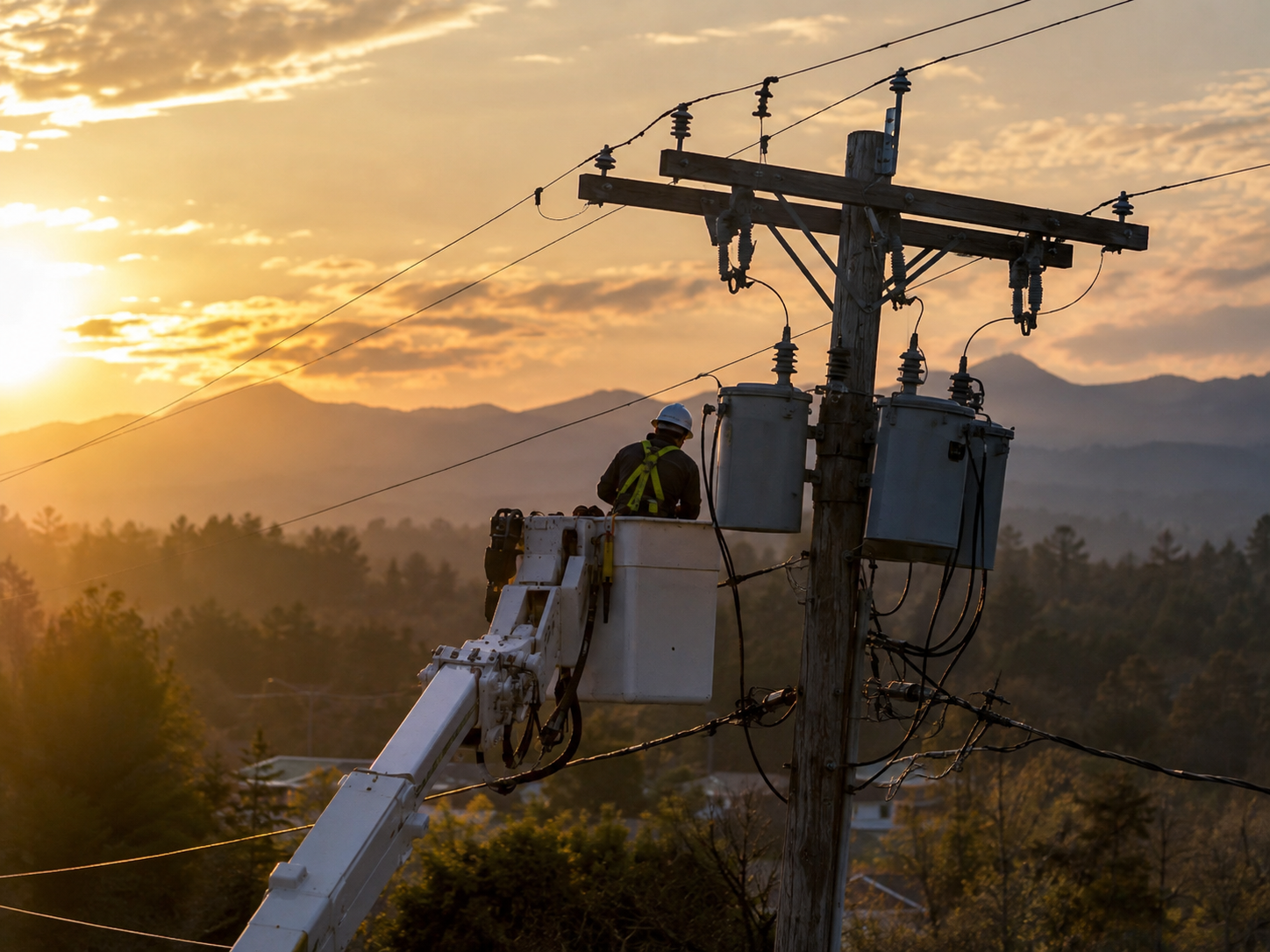
Regulated electric and gas utilities, transmission and distribution infrastructure, utility contractors, line construction, gas distribution services, and distribution network maintenance.
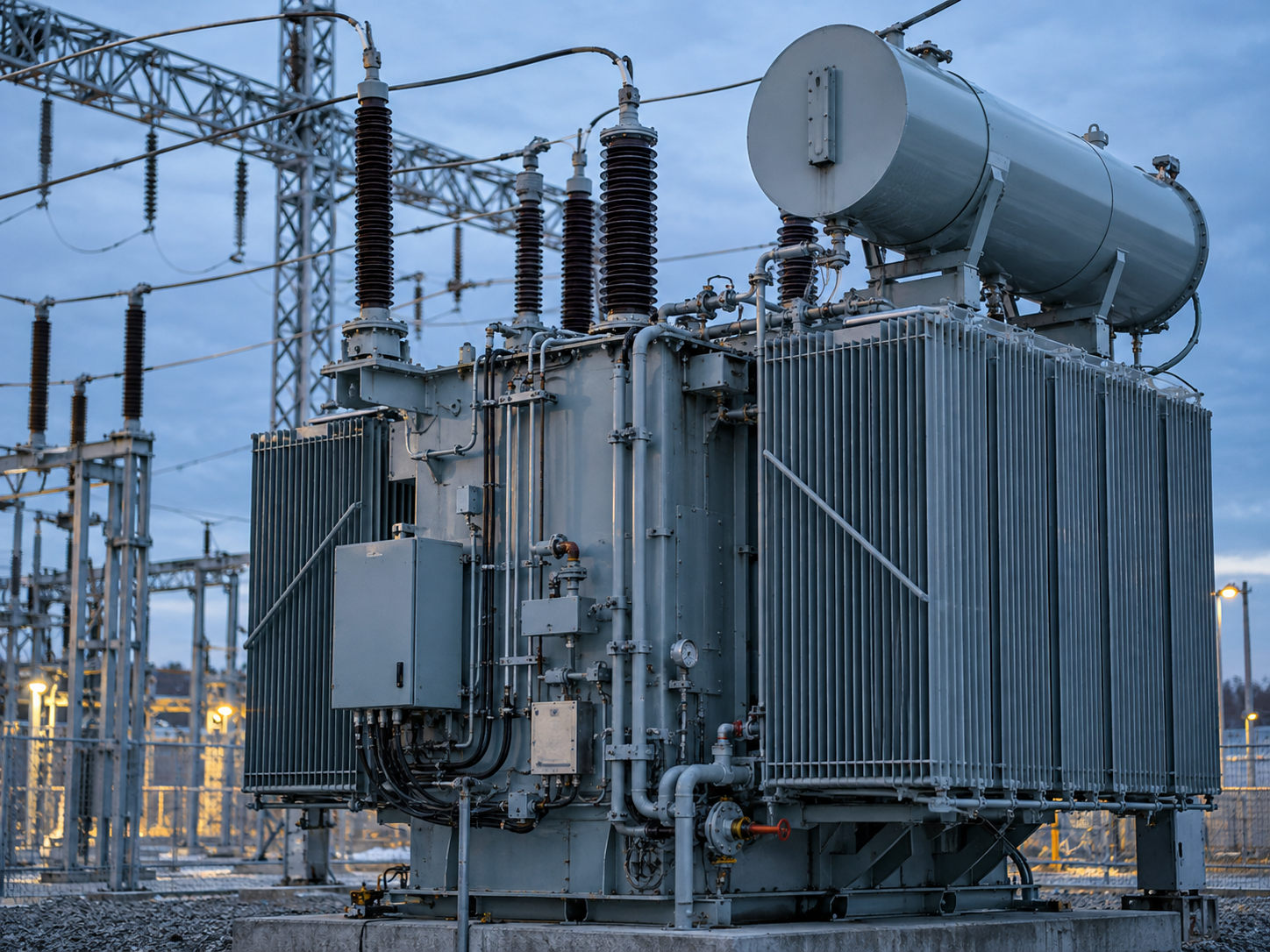
Power and distribution transformers, transformer servicing and diagnostics, switchgear, switchboards, breakers, protection equipment, electrical distribution equipment, and related power infrastructure hardware.
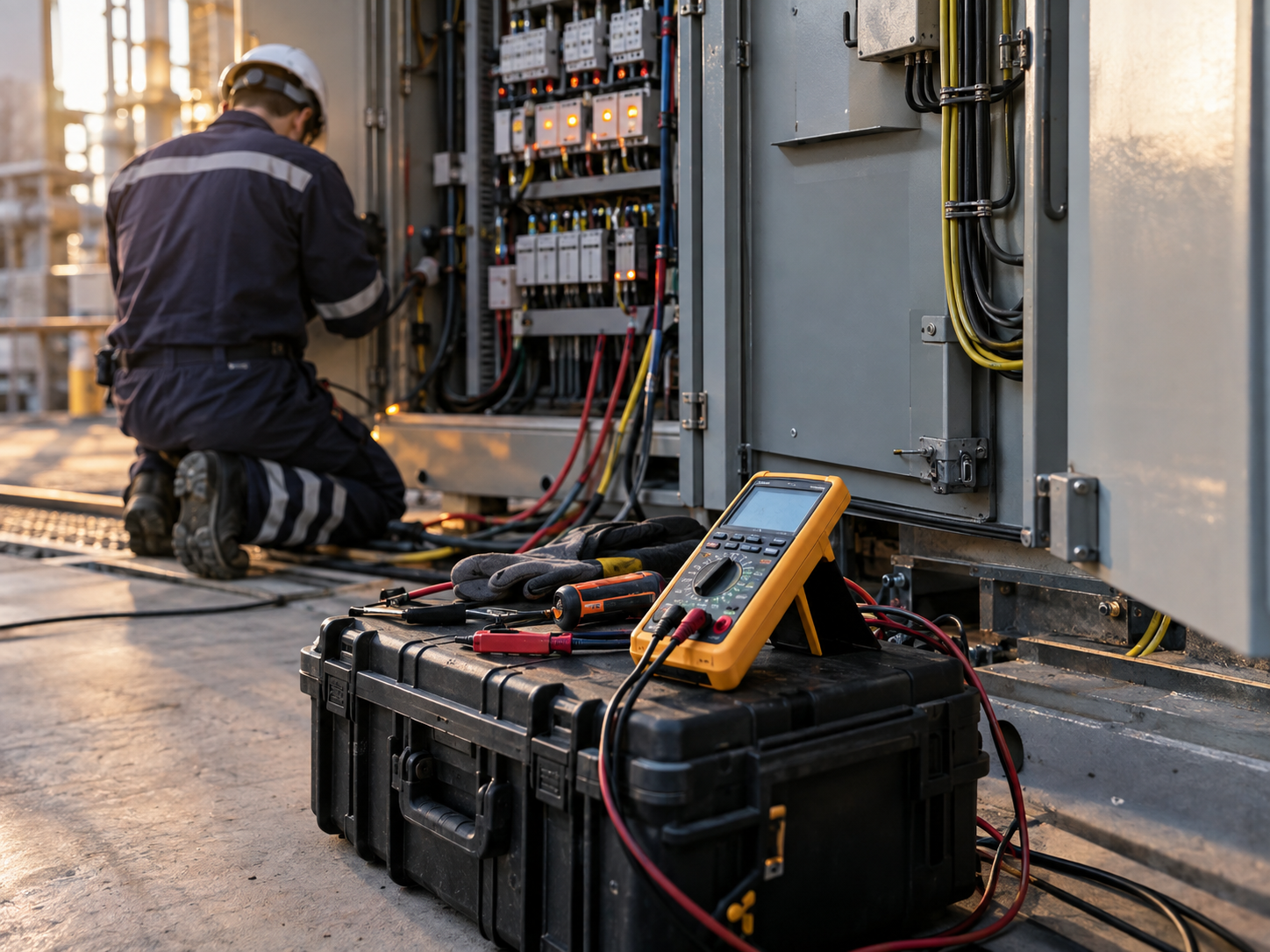
Substation construction and maintenance, electrical testing and commissioning, preventive maintenance, utility services, protection and control services, and high-voltage field services, distinct from equipment manufacturing given the service-based nature of these businesses.
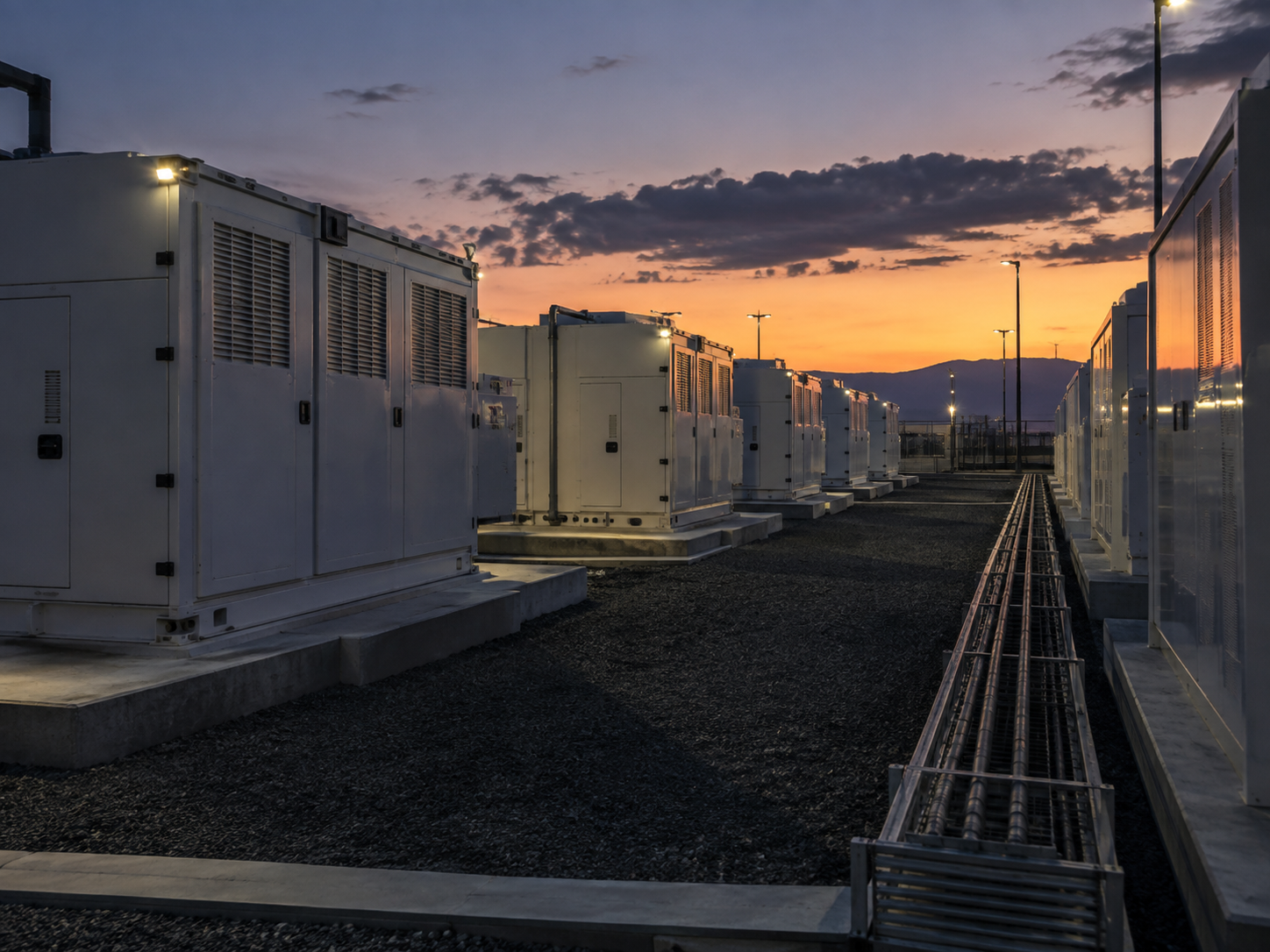
Battery energy storage systems, uninterruptible power supply and backup generation, standby power, microgrids, and critical and reliability-focused power infrastructure.

Smart grid technology, grid monitoring, advanced metering infrastructure, SCADA, energy management systems, and utility software and analytics.

Engineering, specialty construction and installation, inspection, commissioning, maintenance, integrity, and specialty infrastructure contracting.

Hydrogen, carbon capture, renewable natural gas, biofuels, electrification infrastructure, and other emerging low-carbon infrastructure categories, evaluated on their individual commercial merits rather than as a single homogeneous theme.
For owners considering an exit, succession, partner buyout, strategic sale, or private equity recapitalization of an energy, power, or utilities business.
For strategic acquirers, private equity platforms, and infrastructure investors pursuing acquisitions across the energy and utilities value chain, including bolt-on additions to an existing platform.
For Canadian energy and power businesses and acquirers working through a transaction involving US or other international counterparties, particularly relevant given how integrated Canadian energy markets already are with broader North American supply and capital flows.
Strategic debt advisory for energy, power, and utilities businesses evaluating equipment financing, project capital, or broader capital structure decisions.
For management teams considering a buyout of a founder-owned energy services, equipment, or field services business as part of a succession transition.
For energy and utilities companies divesting a division, asset, service line, or other non-core business unit.
For owners and stakeholders managing a sale or transaction under financial or time pressure, a scenario this sector has periodically experienced during commodity price cycles.
The relevant valuation framework depends heavily on whether a business is an asset owner, an equipment manufacturer, a service provider, a contractor, or a technology business, and the factors below apply differently depending on which category is most relevant. Rather than quoting a single multiple range that would not meaningfully apply across such different business models, the factors that most consistently affect value include:
Diligence in this sector spans several distinct workstreams, and the relative weight of each depends on the type of business involved.
Commercial.Contracts, pricing structures, customer relationships, backlog, and sensitivity to commodity or market pricing.
Operational.Assets, fleet and equipment condition, uptime, capacity, maintenance practices, and utilization.
Technical.Engineering capability, equipment condition, relevant certifications, and any proprietary technology or intellectual property.
Safety.Incident history, claims, and safety compliance record, an area of particular focus in oilfield services, field services, and electrical work.
Environmental.Permits, historical operations, emissions, remediation obligations, and any environmental liabilities.
Regulatory.Licenses, utility regulation where applicable, project approvals, and interconnection or tariff considerations.
People.Engineers, technicians, qualified operators, and the degree to which the business depends on the owner or a small number of key personnel.
Financial.Normalized EBITDA, capital expenditure history and requirements, working capital, and project-level accounting where relevant.
Companies seeking additional capacity, geographic expansion, complementary services, or specialized technical or equipment capabilities.
Regulated utilities and infrastructure operators pursuing acquisitions to expand service territory, capability, or asset base.
Financial buyers pursuing platform investments across energy services, power infrastructure, and electrical equipment, frequently followed by bolt-on acquisitions of smaller, complementary operators.
Existing platforms in energy services, electrical infrastructure, or related segments acquiring smaller operators to add customers, capabilities, or geographic reach.
Investors, including infrastructure funds and, in some cases, pension capital, seeking durable, cash-generating energy and power assets as long-term holdings.
Investors seeking stable, cash-generating energy or power infrastructure businesses, often placing particular value on management continuity.
Acquirers using an acquisition to establish or expand a presence in Canadian or North American energy markets.
The buyer universe in this sector is broader than in many other industries: a power generation asset may attract infrastructure or pension capital, while a mid-sized electrical testing or oilfield services company is more likely to attract private equity-backed strategic consolidators.
Given the range of business models in this sector, preparation needs vary, but most transactions benefit from having the following organized in advance:
Businesses that enter a process with this information organized move through buyer diligence more efficiently and are better positioned to support their valuation.
Every mandate is led directly by Baabu, with direct involvement from the first conversation through closing.
An understanding of the economics that differentiate energy business models, from asset owners with contracted cash flows to equipment and service businesses valued on EBITDA and recurring revenue, applied to valuation, positioning, and buyer identification. Where a transaction requires specialized technical, reserves, or environmental evaluation, VistaNova coordinates with appropriate specialists as part of the process.
An understanding of how strategic acquirers, private equity firms, infrastructure investors, and family offices evaluate energy and utilities opportunities, informing how a business is positioned and which buyers are approached.
Advisory capability spanning Canada, the United States, and international markets where a transaction calls for buyers or capital beyond the domestic market.
Particularly important in energy and utilities, where customer, employee, and regulatory relationships can be sensitive to a premature disclosure of a potential transaction.
A Calgary base with the perspective and relationships to pursue buyers and opportunities across Canada and North America, not limited to the local market.
VistaNova M&A Partners is based in Calgary, Alberta and advises energy, power, and utilities businesses across Canada, with cross-border buyer and investor outreach across North America and selected international markets. Canadian energy, oilfield services, and electrical infrastructure businesses are closely integrated into broader North American markets, and US strategic acquirers, private equity platforms, and infrastructure investors are frequently relevant counterparties in a Canadian energy sale process. A Calgary base does not limit the buyer universe VistaNova can pursue on a client's behalf.
An energy M&A advisor represents either the seller or the buyer through a transaction involving an energy, power, or utilities business, applying sector-specific understanding of asset ownership models, regulated versus commodity-exposed revenue, and equipment and service economics to the standard M&A process of valuation, preparation, buyer identification, negotiation, and closing.
Energy services companies, such as oilfield services, field services, and electrical service businesses, are generally valued on normalized EBITDA, customer and contract concentration, backlog quality, recurring versus project-based revenue, and technical or certification-based barriers to entry, similar in structure to other operating businesses. This differs from how asset owners such as power generation or pipeline businesses are typically valued, which relies more heavily on contracted cash flows and asset life.
Key drivers include normalized EBITDA, customer and basin concentration, equipment fleet age and condition, safety record, and the mix of contracted versus spot or activity-driven revenue. Businesses with diversified customer relationships, modern equipment, and a strong safety record generally attract broader buyer interest than those with significant customer or geographic concentration.
Regulated utilities and power generation assets are typically valued based on contracted or regulated cash flows, asset life, regulatory framework, and offtake arrangements, closer to an infrastructure valuation approach than a traditional operating-business multiple. Businesses providing services or equipment to the power and utilities sector, by contrast, are valued more like traditional operating companies, based on EBITDA, backlog, and customer relationships.
Buyers evaluate customer and end-market diversification, the strength and quality of recurring aftermarket or service revenue, relevant certifications and technical capability, backlog visibility, and the degree to which the business depends on a small number of key personnel or customer relationships. For equipment businesses specifically, buyers also examine the durability of the installed base generating ongoing service and parts revenue.
These businesses are evaluated on a combination of manufacturing or distribution economics and the strength of any recurring aftermarket revenue, including testing, servicing, repair, and replacement parts. A strong installed base can be attractive because it may create recurring demand for testing, repair, refurbishment, replacement equipment, and parts. Buyers will consider that aftermarket opportunity alongside margins, customer concentration, manufacturing or distribution capabilities, backlog, and the competitive position of the core equipment business.
Yes. Private equity firms and PE-backed platforms participate actively across energy services, electrical infrastructure, power equipment, and related markets. One common strategy is to establish or acquire a platform and then pursue complementary bolt-on acquisitions, a model relevant across fragmented service and equipment categories such as electrical testing, field services, and specialized power equipment.
Recurring revenue from inspection, testing, maintenance, and replacement parts can be attractive to buyers because it reflects an ongoing customer relationship and may provide greater revenue visibility than one-time equipment sales. Businesses that combine a strong installed base with recurring aftermarket revenue may therefore attract broader buyer interest, depending on margins, customer concentration, competitive position, and the transferability of those relationships.
Yes. Cross-border transactions are common across Canadian energy, oilfield services, and electrical infrastructure businesses, given how closely integrated these markets already are with the broader North American energy sector. VistaNova advises on cross-border energy transactions and works alongside the parties' legal and tax counsel to address cross-border structuring and applicable regulatory requirements, which may include Investment Canada Act considerations for certain foreign acquisitions.
Preparation depends on the type of business, but generally includes organizing normalized financial statements, customer and contract documentation, backlog and project pipeline data, equipment and safety records where relevant, and details distinguishing recurring service revenue from project-based revenue. Businesses that enter a process with this information organized typically move through buyer diligence more efficiently and are better positioned to support their valuation.
Whether you are evaluating a sale, an acquisition, a financing strategy, or an ownership transition, VistaNova can help you assess your options and determine an appropriate path forward.
Based in Calgary. Advising clients across Canada and North America.