Senior-led M&A advisory for privately held and mid-market manufacturers, fabricators, machining businesses, industrial equipment companies, and specialized producers across Canada and North America.
Industrial and manufacturing M&A advisory is sector-specific M&A representation for businesses that design, machine, fabricate, assemble, and produce physical goods, from precision machine shops and metal fabricators to industrial equipment manufacturers and specialized producers. An advisor working in this sector represents either the owner selling the business or the acquirer pursuing it, applying the standard M&A discipline of valuation, preparation, buyer identification, negotiation, and due diligence, informed by an understanding of the specific economics that shape manufacturing transactions.
Those economics include equipment condition and capacity, customer and program concentration, backlog quality, working capital and inventory dynamics, certifications and quality systems, and the skilled labour a business depends on. They also include a distinction that matters as much in manufacturing as asset-heavy versus asset-light matters in logistics: whether a business manufactures its own proprietary products or operates as a contract manufacturer producing to a customer’s specification. These models are valued differently and appeal to different buyers. VistaNova M&A Partners advises owners, acquirers, and investors across this range, on sell-side transactions, acquisitions, and strategic advisory including debt and capital structure guidance, across Canada and North America.
Sector Distinctions
Why M&A in Manufacturing Is Different
A generalist M&A process misses the operational and financial detail that actually drives buyer interest and valuation in a manufacturing business. Several factors matter more here than in most other sectors.
01
Asset Intensity and Equipment.The age, condition, and replacement cost of production equipment directly affects both near-term capital expenditure requirements and a buyer’s view of forward risk. Deferred equipment replacement can make current earnings look stronger than they actually are on a normalized basis.
02
Capacity Utilization.How much of a facility’s production capacity is currently used shapes a buyer’s view of how much the business can grow without significant additional capital investment.
03
Customer and Program Concentration.Dependence on a small number of customers, or a small number of OEM programs, is one of the most consistently scrutinized risk factors in manufacturing diligence.
04
Backlog and Order Visibility.A strong backlog supports forward revenue visibility, but the quality of that backlog, how firm the orders are and how diversified they are across customers, matters as much as its size.
05
Working Capital and Inventory.Inventory levels, receivables, work-in-progress, and supplier payment terms can materially affect the economics of closing a transaction, and slow-moving or obsolete inventory is a common diligence issue.
06
Certifications and Quality Systems.Industry-specific certifications and customer approvals, such as ISO, aerospace, automotive, or medical-device quality systems where applicable, can affect barriers to entry, customer retention, and the diligence process.
07
Skilled Labour.Machinists, welders, engineers, and technicians can be difficult to replace, and workforce depth and retention directly affect a buyer’s confidence in the business continuing to perform after a transaction.
08
Owner Dependency and Transferability.A manufacturing business is valuable not only because it can produce today, but because its customer relationships, processes, certifications, and technical knowledge can transfer to a new owner. Buyers examine closely whether estimating, sales, and key customer relationships depend on the owner personally.
09
Capital Expenditure Requirements.Near-term equipment or facility investment needs affect both valuation and deal structure, and are frequently a point of negotiation.
10
Supplier Concentration.Dependence on a small number of raw material or component suppliers introduces a risk buyers evaluate alongside customer concentration.
11
Environmental Exposure.Certain manufacturing processes may involve environmental permits, historical contamination risk, hazardous materials handling, emissions, wastewater, or remediation obligations that require additional diligence.
12
Real Estate.Whether a business owns or leases its production facility can significantly affect transaction structure and valuation. Where real estate is owned, buyers may evaluate the operating company and the property separately depending on how the transaction is structured.
13
Automation and Technology.The degree of automation in a facility affects labour efficiency, scalability, and how a buyer views the business’s ability to grow production without proportionally growing headcount.
The Central Distinction
Proprietary Products vs. Contract Manufacturing
One distinction shapes buyer appetite and valuation in manufacturing more than almost any other: whether a business manufactures its own proprietary products or produces to a customer’s specification as a contract manufacturer.
Proprietary Manufacturer
A proprietary manufacturer owns its products, and often its intellectual property, pricing, distribution, and aftermarket relationships. This can support stronger margins, more pricing control, and less dependence on any single customer’s ongoing program decisions.
VS
Contract Manufacturer
A contract manufacturer depends more directly on OEM program relationships, contract terms, and the switching costs a customer would face in moving production elsewhere. Buyers evaluating a contract manufacturer look closely at customer concentration, program duration, process capability, and certifications, since these determine how durable those relationships actually are.
Neither model is inherently more or less valuable. A specialized, well-certified contract manufacturer with diversified, long-standing OEM relationships can be a highly attractive acquisition, just as a proprietary manufacturer with a commoditized product and thin margins can struggle to find buyer interest. Understanding which model a business represents, and positioning it accordingly, shapes the entire transaction strategy.
Coverage
Sub-Industries We Advise
VistaNova advises across a range of industrial and manufacturing business models, including:
Precision Machining & CNC Manufacturing
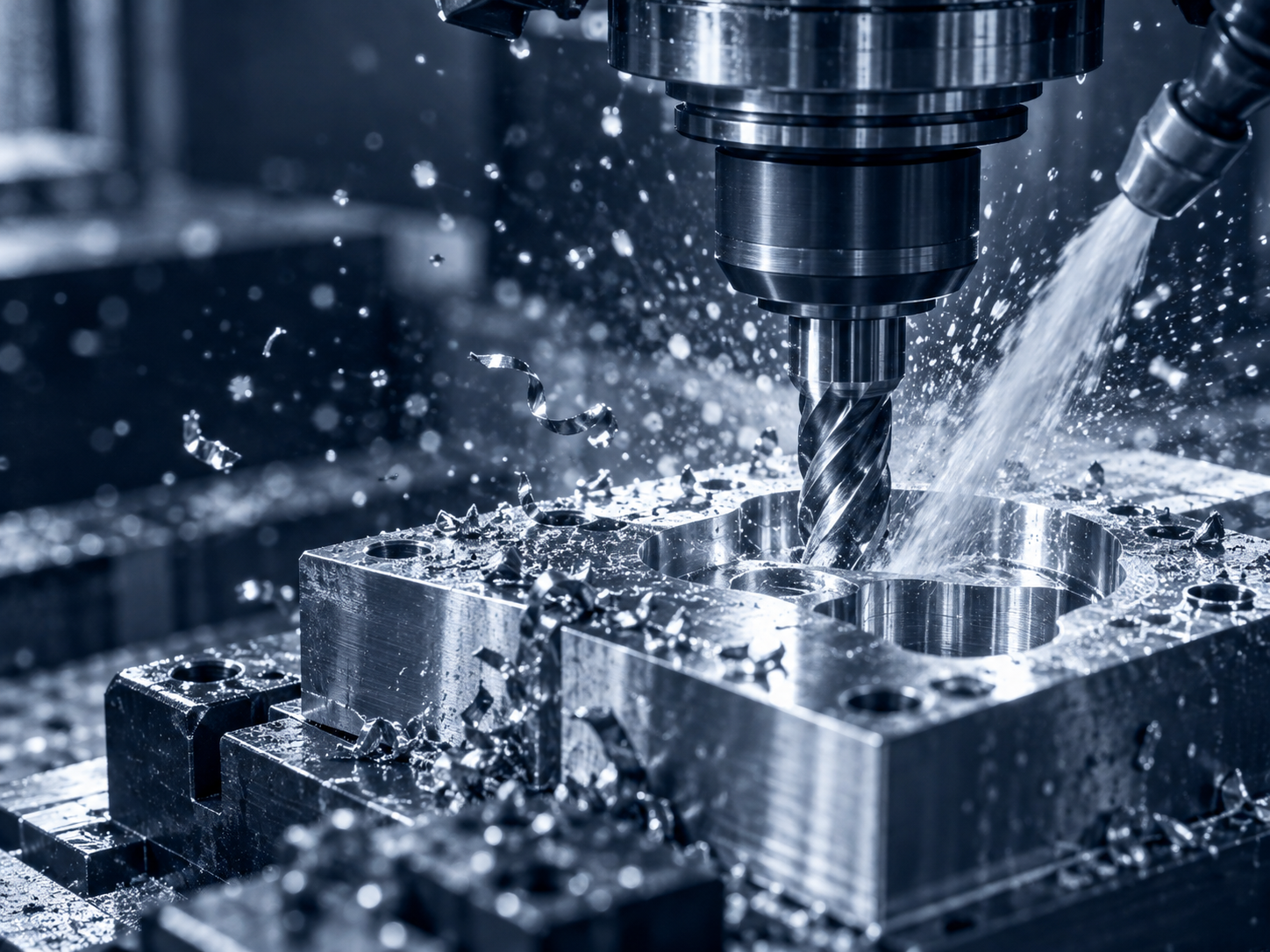
CNC milling, turning, Swiss machining, grinding, EDM, tool and die, and mold making, where buyers evaluate equipment capability, machine utilization, technical labour depth, tolerances, customer and program concentration, certifications, and the extent to which specialized process knowledge transfers to a new owner.
Metal Fabrication & Structural Manufacturing
Sheet metal fabrication, welding, structural steel, custom fabrication, plate processing, bending and forming, and laser or plasma cutting, where equipment capability, certified welding processes, and customer diversification are central to valuation.
Forging, Casting, Stamping & Metalworking
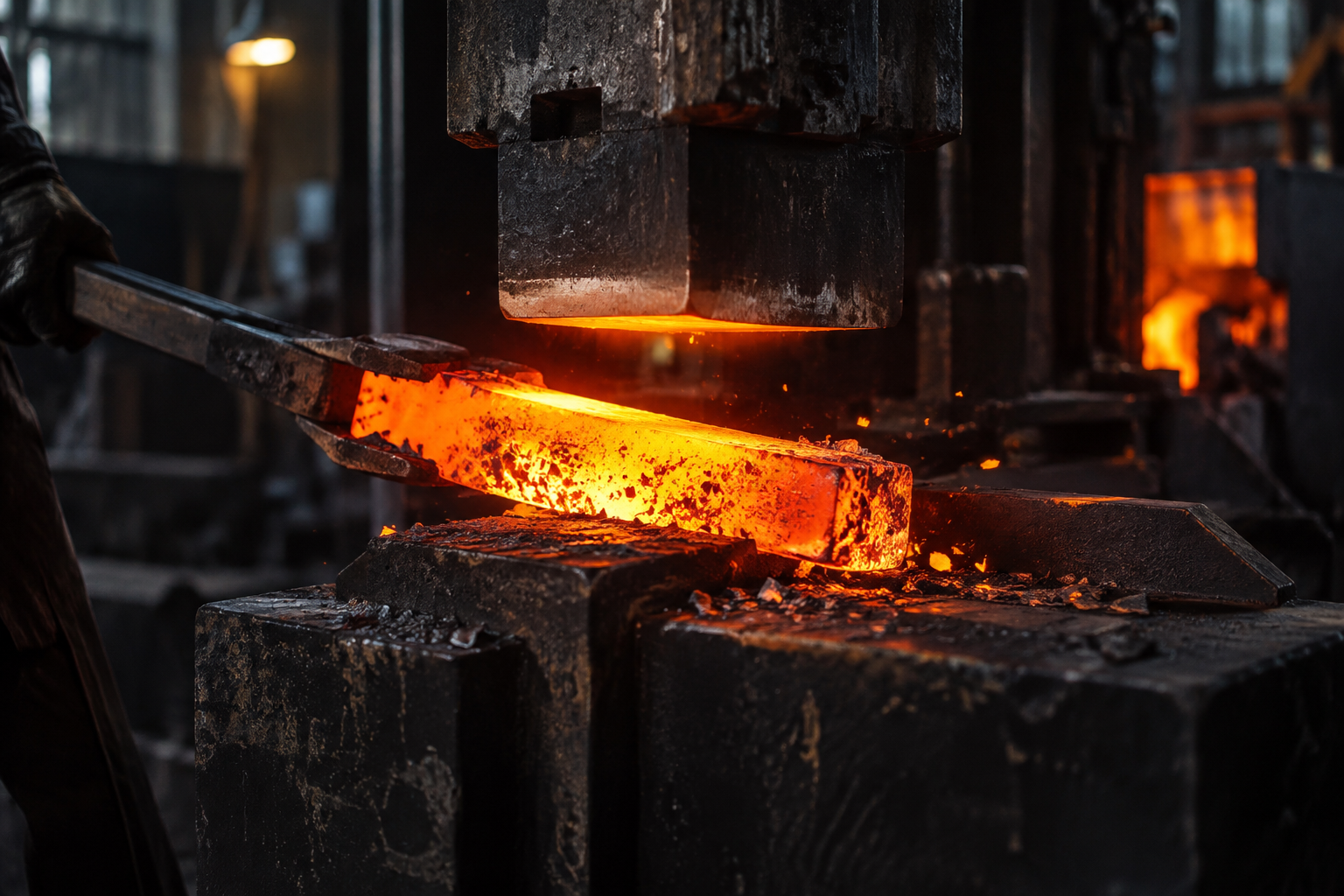
Forging, die casting, foundry operations, metal stamping, deep draw processes, extrusions, heat treating, and plating or coating services, businesses with significant equipment investment and often long-standing OEM program relationships.
Contract Manufacturing & Industrial Assembly
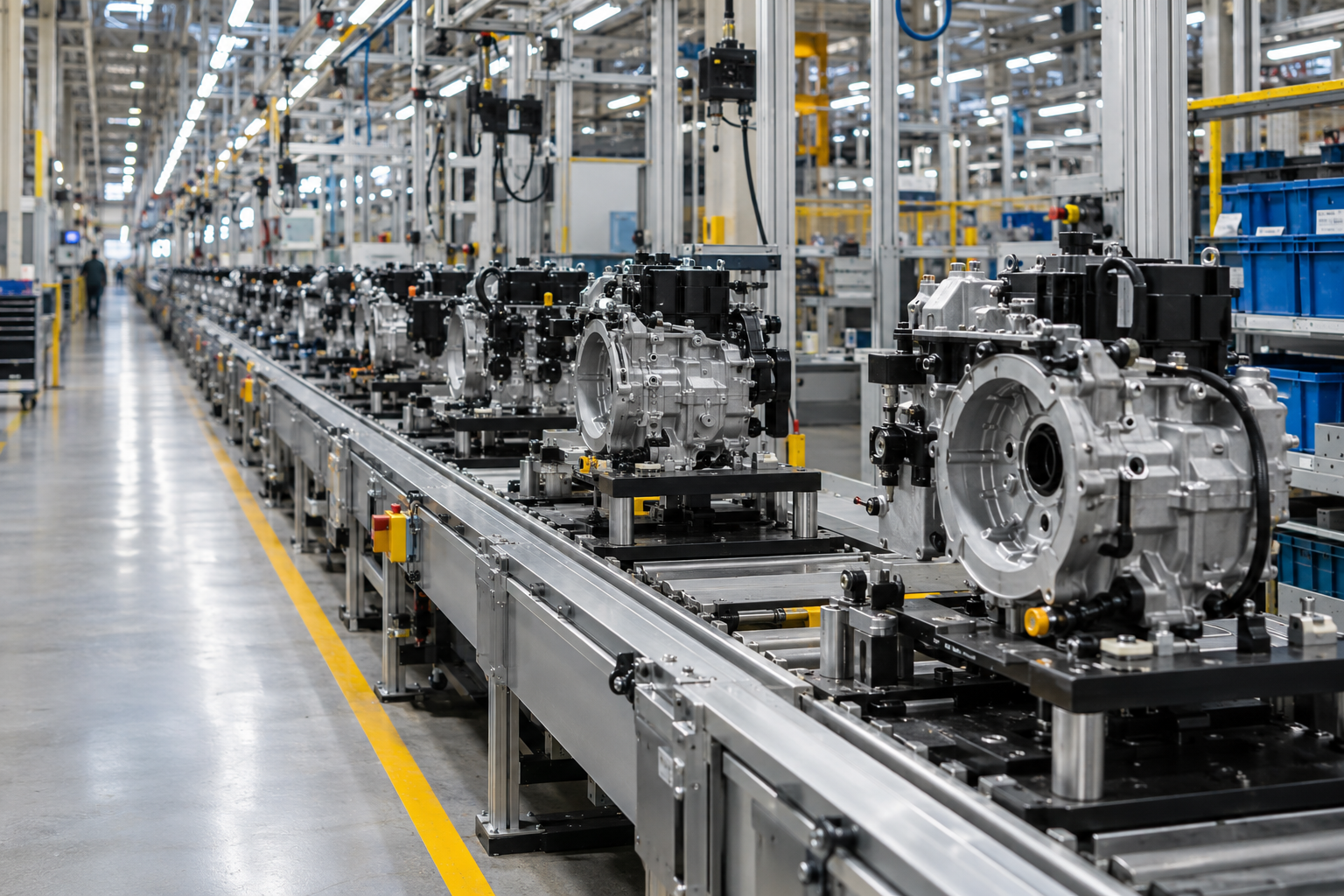
Build-to-print production, outsourced OEM manufacturing, complex assembly, and subassembly work, where customer concentration, contract duration, and process capability drive buyer interest.
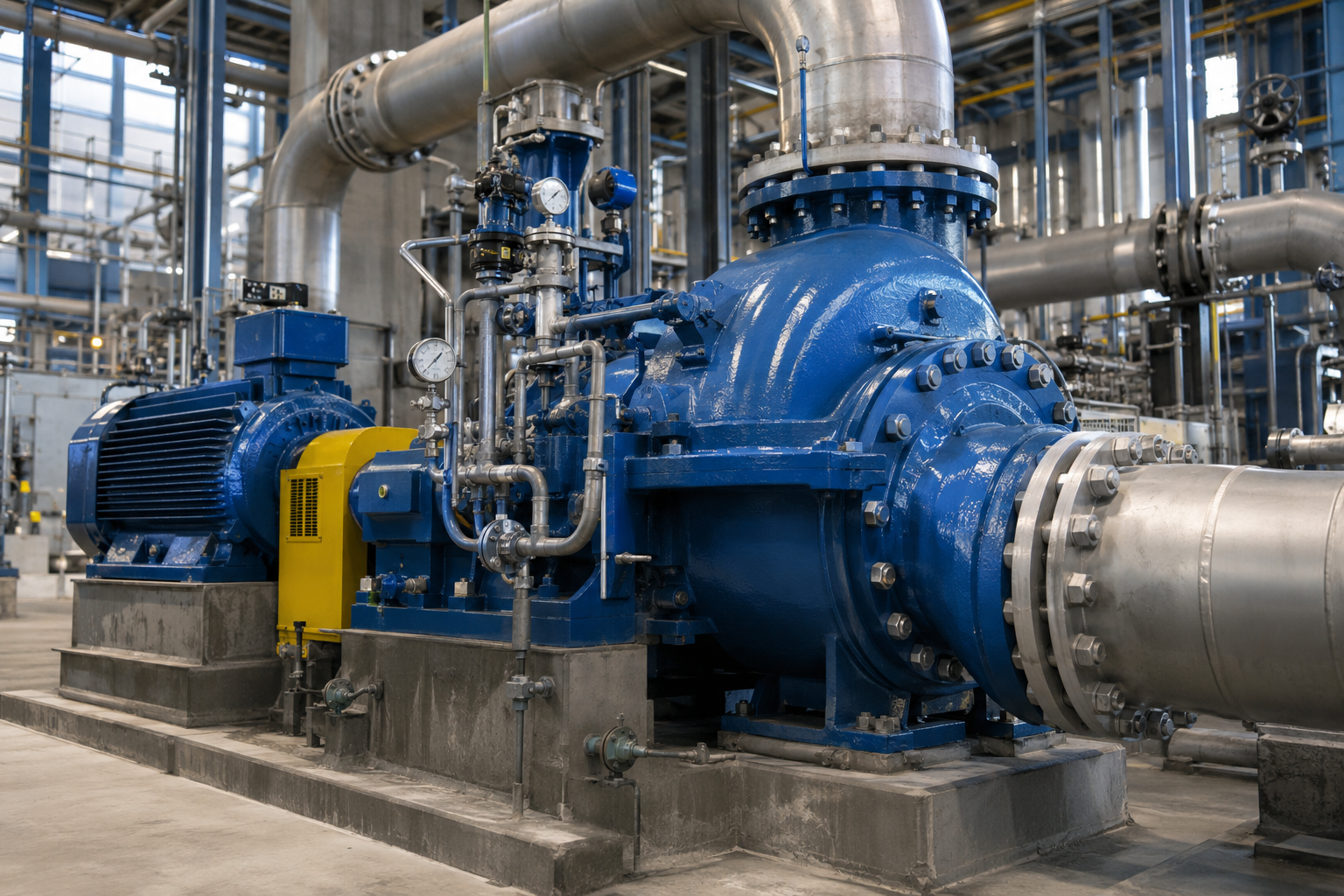
Machinery builders, pumps, valves, flow control equipment, process equipment, material handling systems, and proprietary industrial products, often supported by aftermarket parts and service revenue.
Automation, Robotics & Control Systems
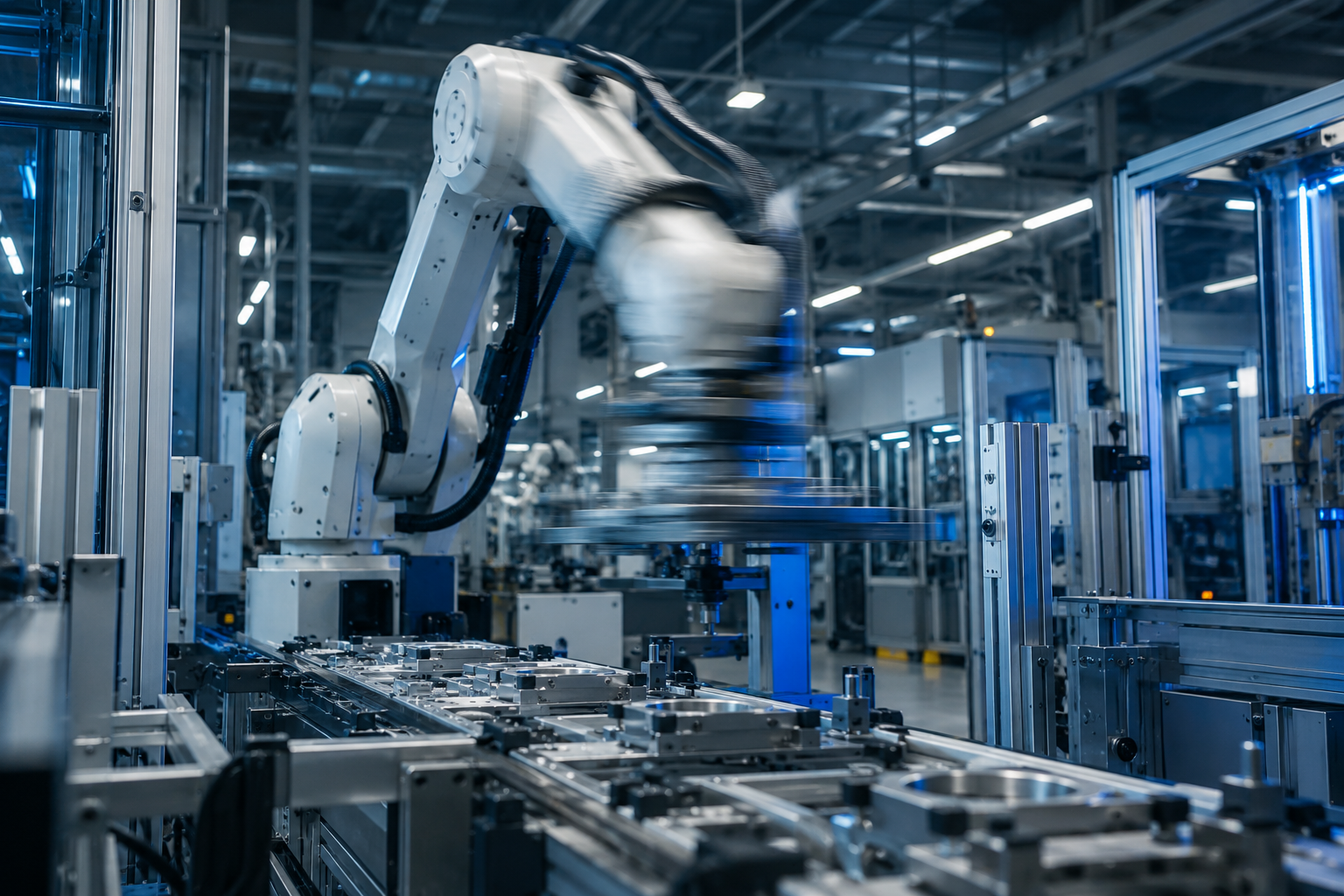
Industrial automation integrators, robotic systems integration, control panel manufacturing, PLC systems, motion control, and machine vision, a segment increasingly relevant to buyers focused on productivity and scalability.
Flexible and rigid packaging, paper and cardboard converting, labels, and specialty packaging manufacturing.
Aerospace, Defense & Precision Components
Certified aerostructure and component machining and fabrication, avionics components, and specialized materials manufacturing, a segment where certifications, program exposure, and qualified processes can materially affect buyer interest.
Specialty Chemicals, Coatings & Materials
Adhesives, coatings, compounds, specialty formulations, and industrial chemicals and materials manufacturing.
Building Products & Specialized Industrial Manufacturing
Engineered building products, architectural and structural products, and other specialized industrial and construction-related manufacturing.
Services
M&A Services for Industrial & Manufacturing Companies
What Drives Value in an Industrial or Manufacturing Business?
Valuation depends heavily on business model, scale, asset intensity, and normalized profitability, and it differs substantially between a proprietary product manufacturer, a contract manufacturer, a precision machine shop, and a fabricator. Rather than quoting a single multiple range that would not meaningfully apply across such different business models, the factors that most consistently affect value include:
Normalized EBITDA and the sustainability of historical earnings
Customer and program concentration, and the diversification of the customer base
Revenue mix, including recurring aftermarket parts, service, maintenance, or replacement demand where applicable
Warranty, scrap, rework, returns, and quality performance
Backlog quality and the firmness of forward orders
Proprietary products or intellectual property versus contract or build-to-print revenue
Technical specialization and the barriers to entry it creates
Certifications and customer quality approvals relevant to the end market
Equipment condition, age, and near-term capital expenditure requirements
Capacity utilization and the scalability of the operating model
Gross margin stability and pricing power
Management depth and the degree of owner dependence
Skilled workforce depth and retention
Supplier diversification and raw material or component risk
Working capital efficiency, particularly in inventory-intensive operations
Degree of automation and its effect on productivity and scalability
End-market diversity and exposure to cyclical demand
Real estate arrangements, owned versus leased facilities
Safety and environmental record
Succession is also an important transaction driver for many privately held manufacturing businesses, particularly those that remain founder- or family-led.
Buyer Universe
Who Acquires Manufacturing & Industrial Companies?
Financial buyers pursuing platform investments in manufacturing, frequently followed by bolt-on acquisitions of smaller, complementary operators, a consolidation approach commonly seen across fragmented manufacturing segments including precision machining, fabrication, and specialty production.
Private Equity-Backed Platforms
Existing manufacturing platforms acquiring smaller operators to add customers, capabilities, geography, capacity, or end-market exposure.
Family Offices
Investors seeking durable, cash-generating manufacturing businesses as long-term holdings, often placing particular value on management continuity and operational stability.
International and Cross-Border Buyers
Acquirers using an acquisition to establish or expand North American manufacturing capacity, technical capability, or market access, relevant given how integrated Canadian manufacturing already is with US and international supply chains.
Preparation
Preparing a Manufacturing Business for a Transaction
Manufacturing diligence tends to be document-intensive, extending well beyond standard financial review. Owners considering a transaction benefit from having the following organized in advance:
Normalized financial statements, with owner-specific and non-recurring items clearly identified
Customer revenue by account and by program, with concentration clearly documented
Backlog and order pipeline, including how firm and diversified it is
An equipment register, including age, condition, and maintenance history
Capital expenditure history and near-term forecast
Capacity and utilization data
Inventory aging and composition
Working capital position and historical cash conversion
Supplier concentration and key vendor relationships
Certifications and quality system documentation
Warranty and returns history
Safety records and any environmental matters
Real estate arrangements, including leases and facility condition
An employee and skills matrix, including retention and succession risk
Tooling ownership, since tooling can be owned by the company, owned by a customer, or dedicated to a specific program, and this can significantly affect transaction structure
Intellectual property and any proprietary processes
Key customer contracts and their terms
Businesses that enter a process with this information organized move through buyer diligence more efficiently and are better positioned to support their valuation.
The VistaNova Advantage
Why VistaNova for Industrial & Manufacturing M&A
Senior-Led Advisory
Every mandate is led directly by Baabu, with direct involvement from the first conversation through closing.
Sector-Specific Analysis
An understanding of the economics that differentiate manufacturing business models, from proprietary product manufacturers to contract producers, applied to valuation, positioning, and buyer identification.
Technical Positioning
Translating equipment, processes, certifications, customer relationships, and technical capability into an investment narrative that buyers can evaluate and underwrite.
Strategic Buyer and Investor Perspective
An understanding of how strategic acquirers, private equity firms, and family offices evaluate manufacturing and industrial opportunities, informing how a business is positioned and which buyers are approached.
Cross-Border Reach
Advisory capability spanning Canada, the United States, and international markets where a transaction calls for buyers or capital beyond the domestic market.
Confidential Execution
Particularly important in manufacturing, where employee, customer, and supplier relationships can be sensitive to a premature disclosure of a potential transaction.
Geography
Industrial & Manufacturing M&A Across Canada and North America
VistaNova M&A Partners is based in Calgary, Alberta, Canada and advises manufacturing and industrial businesses across Canada, North America with cross-border buyer and investor outreach across North America and selected international markets. Canadian manufacturers are deeply integrated into North American supply chains, particularly across aerospace, automotive, energy, and other industrial end markets. That integration often makes US and international strategic buyers directly relevant to a Canadian manufacturing sale process, whether that business sells into Alberta’s energy sector, national automotive supply chains, or international aerospace programs.
CalgaryWestern CanadaNorth AmericaCross-Border
FAQ
Frequently Asked Questions
What does an industrial or manufacturing M&A advisor do?
An industrial or manufacturing M&A advisor represents either the seller or the buyer through a transaction involving a manufacturing, fabrication, or industrial business, applying sector-specific understanding of equipment, customer concentration, certifications, and working capital dynamics to the standard M&A process of valuation, preparation, buyer identification, negotiation, and closing.
How are manufacturing companies valued?
Valuation depends heavily on business model, scale, and earnings quality, and differs substantially between a proprietary product manufacturer and a contract manufacturer, or between a highly specialized precision operation and a more commoditized producer. Key drivers include normalized EBITDA, customer and program concentration, equipment condition and near-term capital expenditure needs, certifications relevant to the end market, and the scalability of the operating model. There is no single multiple that applies meaningfully across such different manufacturing business types.
What makes a manufacturing company attractive to buyers?
Buyers generally look for a diversified customer base rather than concentrated program dependence, well-maintained and modern equipment, strong backlog quality, relevant certifications and quality systems, a management team the business does not entirely depend on, and skilled labour with reasonable retention. Technical specialization within a defined niche can also increase buyer interest, since it typically raises barriers to entry for competitors.
How do I sell a manufacturing or fabrication business?
The process begins with an assessment of the business and a realistic view of valuation, followed by preparation, including organizing financial, equipment, and customer information, identifying the right category of buyer for the specific business and its model, running a confidential outreach and negotiation process, and managing due diligence through to closing. Manufacturing diligence tends to be detailed and document-intensive, so preparation materially affects how efficiently a process moves.
Who buys manufacturing companies?
Buyers include strategic acquirers seeking capacity, capability, or customer relationships, private equity firms pursuing platform investments or bolt-on acquisitions, private equity-backed platforms already active in a given manufacturing niche, family offices seeking durable long-term holdings, and international or cross-border acquirers looking to establish or expand North American manufacturing capacity.
How does customer concentration affect manufacturing company valuation?
Significant dependence on a small number of customers or OEM programs is treated as a material risk factor by most buyers, since the loss of a single relationship could disproportionately affect the business. A diversified customer base, or long-standing programs with contractual protection, generally supports a stronger valuation than concentrated, at-will customer relationships.
How do equipment age and capital expenditures affect value?
Older equipment approaching the end of its useful life represents a form of deferred capital expenditure that a buyer will factor into their view of forward cash flow, even if current earnings look strong. Modern, well-maintained equipment supports both current operating efficiency and a buyer’s confidence in near-term capital requirements, and can materially affect the valuation a buyer is willing to support.
Are precision machining and fabrication businesses valued differently from other manufacturers?
Yes, to a meaningful degree. Precision machining and certified fabrication businesses can carry meaningful barriers to entry where tolerances, certifications, customer approvals, specialized equipment, or process knowledge are difficult to replicate. Those characteristics may increase buyer interest when paired with strong margins, a diversified customer base, and operations that transfer well to a new owner. Commodity fabrication or less differentiated production, by contrast, tends to compete more directly on price and equipment capacity, which affects both margin profile and buyer appetite.
What should a manufacturing owner prepare before starting a sale process?
Organize normalized financial statements, customer revenue by account and program, an equipment register with condition and maintenance history, backlog and order data, working capital and inventory information, certifications and quality documentation, and details on tooling ownership and key supplier relationships well before approaching the market. Businesses that enter a process prepared typically move through buyer diligence more efficiently and are better positioned to support their valuation.
Can a Canadian manufacturer be sold to a U.S. or international buyer?
Yes. Cross-border transactions are common in Canadian manufacturing, given how integrated Canadian production already is with US and international supply chains, particularly in aerospace, automotive, and energy. VistaNova advises on cross-border manufacturing transactions and works alongside the parties’ legal and tax counsel to address cross-border structuring and applicable regulatory requirements, which may include Investment Canada Act considerations for certain foreign acquisitions.
Let’s Start the Conversation
Considering a Manufacturing or Industrial Transaction?
Whether you are evaluating a sale, an acquisition, a financing strategy, or an ownership transition, VistaNova can help you assess your options and determine an appropriate path forward.